Gut Health and Nutrition
Discover evidence-based foods that naturally improve digestion and gut health. Learn about probiotics, prebiotics, fiber-rich foods, and lifestyle tips to boost immunity, enhance nutrient absorption, and support overall wellness through better digestive balance.
Divyanshi Kapoor
Gut Health and Nutrition
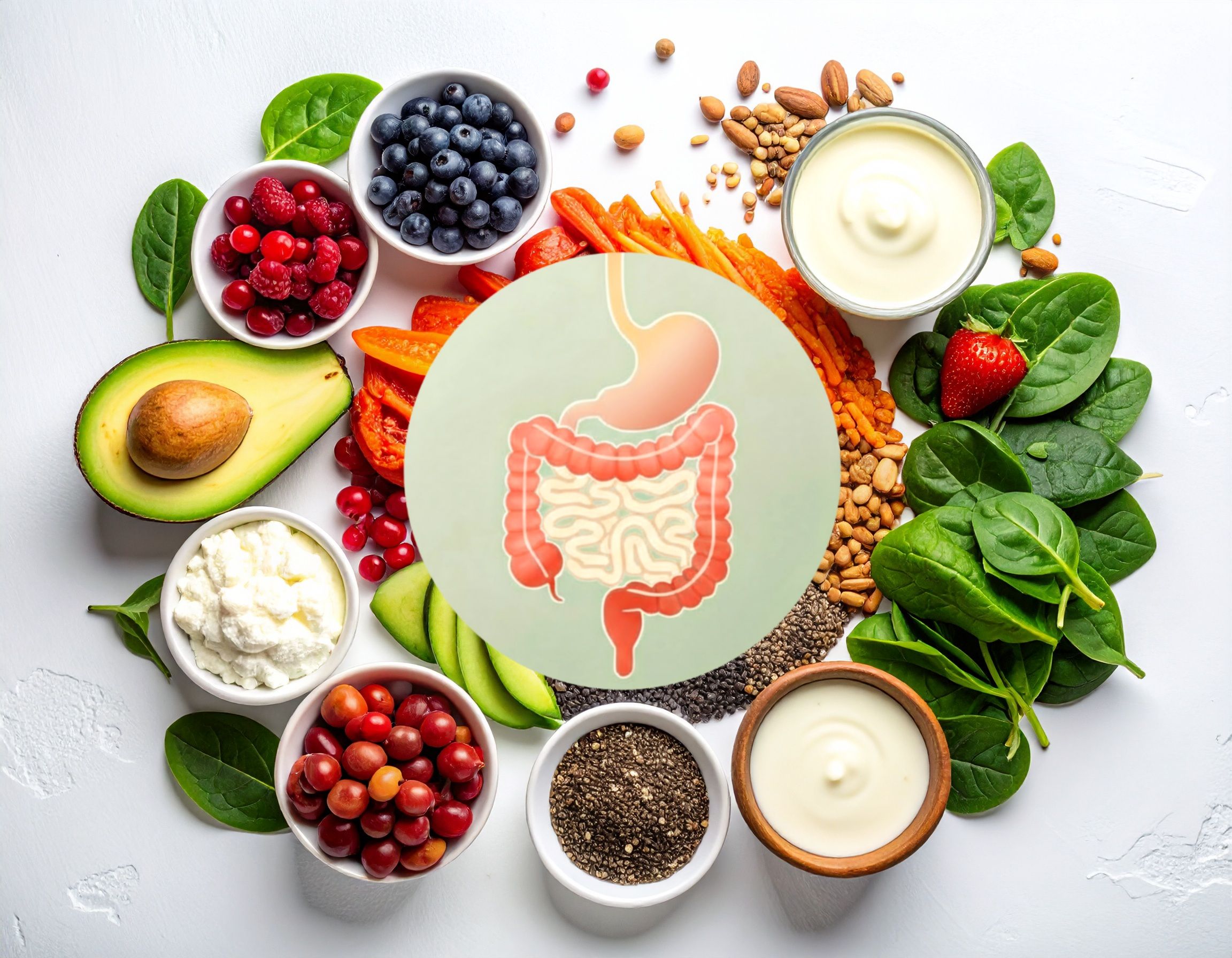
"Trust your gut" is more than just a saying—it reflects how deeply our digestive system is connected to overall health. The gut is not only responsible for breaking down food but also plays a vital role in nutrient absorption, immunity, mood regulation, and even brain function. Research indicates that over 70% of our immune cells reside in the gut, making digestive health a crucial component of long-term wellness. Yet, modern diets, stress and sedentary lifestyles often compromise gut balance. The good news? Nutrition provides a natural and sustainable way to restore harmony.
In this blog, we'll explore the science of gut health, the importance of the gut microbiome, and evidence-based foods that support smooth digestion and microbial balance.
The Science Behind Gut Health
The digestive tract is home to trillions of microorganisms collectively known as the gut microbiota. These microbes regulate digestion, metabolise nutrients, protect against harmful pathogens, and influence the production of neurotransmitters like serotonin which is linked with mood and sleep.
When balance is disrupted, a state called dysbiosis occurs, often leading to bloating, constipation, acid reflux, weight gain, type 2 diabetes, and even mood disorders like anxiety and depression.
- Dietary choices (fiber intake, processed foods, artificial sweeteners)
- Hydration and electrolyte balance
- Physical activity and stress levels
- Use of antibiotics or medications
Fortunately, food can act as powerful medicine. Below are evidence-based food groups proven to improve digestion and gut resilience.
Foods That Naturally Improve Digestion
1. Probiotic-Rich Foods
Probiotics are live microorganisms that colonise the gut and enhance digestion. They strengthen the intestinal lining, compete with harmful bacteria and support nutrient absorption. Clinical Studies confirm that probiotics can ease diarrhea, reduce bloating and symptoms of irritable bowel syndrome (IBS). They also strengthen immunity by lowering inflammation and increasing microbial diversity in the gut.
Examples:
- Yoghurt with live cultures
- Kefir (fermented milk)
- Kimchi
- Sauerkraut
- Miso
- Tempeh
2. Prebiotic-Rich Foods
Prebiotics are indigestible fibers that serve as food for probiotics, promoting their growth. They act like fertilizer for healthy microbes. Unlike probiotics, which are living organisms, prebiotics are mostly non-digestible fibers that act as food for healthy bacteria. When they reach the colon, they ferment and produce short-chain fatty acids (SCFAs) like butyrate, which nourishes colon cells, reduce inflammation, and improve mineral absorption. Regular prebiotic intake encourages microbial balance, supports metabolism, and lowers long-term risk of digestive diseases.
Examples:
- Garlic
- Onions
- Leeks
- Bananas (especially slightly green)
- Asparagus
- Jerusalem artichokes
- Oats
- Barley
3. High-Fiber Whole Foods
Fiber is the backbone of digestive health. Soluble fiber (found in oats and legumes) slows digestion, stabilizes blood sugar and supports cholesterol balance, while insoluble fiber (from whole grains and vegetables) adds bulk to stool, easing bowel movements, preventing constipation and keeping the gut microbiome diverse. Diets rich in fiber are directly linked to reduced inflammation, improved microbial diversity and better satiety making them essential for both digestion and weight control. Experts recommend 25–30 grams daily for optimal gut health.
Examples:
- Lentils
- Chickpeas
- Apples
- Pears
- Brown rice
- Quinoa
- Leafy greens
4. Polyphenol-Rich Foods
Polyphenols are natural compounds with strong antioxidant and anti-inflammatory effects. They act as ''fuel'' for beneficial gut bacteria such as Lactobacillus and Bifidobacterium. At the same time, they help suppress harmful microbes, maintaining microbial balance and supports both digestion and wellness. Polyphenols also lower oxidative stress and reduce inflammation in the digestive tract. Consuming polyphenol rich foods regularly has been linked to better heart health, improved insulin sensitivity and brain protection.
Examples:
- Green tea
- Strawberries, raspberries, and blueberries
- Olive oil
- Chocolate with high cocoa content (70% or more)
5. Hydrating Foods and Fluids
Hydration is fundamental to gut function. Water keeps digestion smooth by softening stools, preventing constipation and helping in transportation and absorption of nutrients across the intestinal wall. Beyond plain water, electrolyte-rich fluids restore mineral balance, especially important during hot weather or sweat after exercise and help maintain the health of muscles and nerves. Hydrating fruits and vegetables add both water and fiber, making them excellent choices for gut and metabolic health. Dehydration, by contrast, is a leading cause of sluggish digestion and constipation.
Examples:
- Coconut water
- Broths and Soups
- Watermelon
- Cucumber
6. Spices and Herbs
Spices have long been used as natural digestive remedies. Spices are more than flavor enhancers—they act as natural digestive aids. Bioactive compounds in herbs and spices stimulate digestive enzymes, reduce bloating, soothe gut inflammation and fight harmful bacteria. Incorporating these into cooking provides both preventive and therapeutic benefits for the gut.
Examples:
- Ginger eases nausea and enhances gastric emptying
- Turmeric has anti-inflammatory effects on the gut lining
- Fennel seeds relax intestinal muscles, easing cramps
- Peppermint soothes irritable bowel spasms
Simple Lifestyle Tips for Better Digestion
Nutrition alone isn't enough—habits also shape digestive health. A few simple practices can make a big difference:
Conclusion
Gut health is not just about avoiding discomfort—it is the foundation of physical and mental well-being. By adding probiotic and prebiotic foods, increasing fiber, staying hydrated, and using natural herbs and spices, you can improve digestion and boost your immune system.
References
Valdes, A. M., Walter, J., Segal, E., & Spector, T. D. (2018). Role of the gut microbiota in nutrition and health. BMJ, 361, k2179.
Singh, R. K., Chang, H. W., Yan, D., et al. (2017). Influence of diet on the gut microbiome and implications for human health. Journal of Translational Medicine, 15, 73.
Deehan, E. C., & Walter, J. (2016). The fiber gap and the disappearing gut microbiome: Implications for human nutrition. Trends in Endocrinology & Metabolism, 27(5), 239–242.
Marco, M. L., et al. (2017). Health benefits of fermented foods: Microbiota and beyond. Current Opinion in Biotechnology, 44, 94–102.
Written by