
Kitchen Spices and Nutrition: Nature’s Healing Pantry
The clinical dietitian highlights seven kitchen spices—turmeric, ginger, garlic, cinnamon, cardamom, black pepper, and fenugreek—as potent tools for enhancing health. These accessible ingredients provide significant anti-inflammatory, antioxidant, and blood-sugar-regulating benefits. Incorporating them regularly into a balanced diet offers a natural, evidence-based approach to disease prevention and overall wellness.
Baljit Kaur
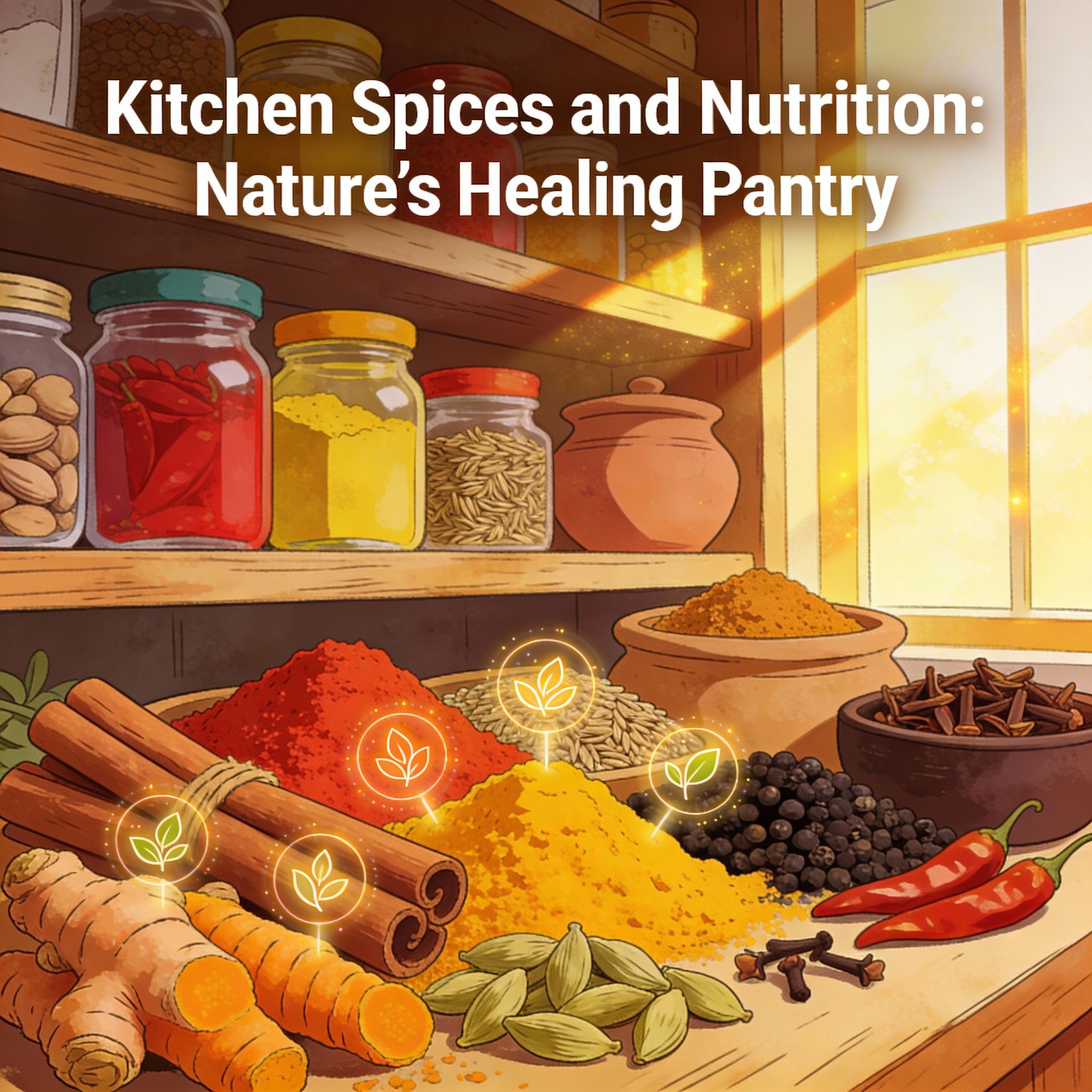
Kitchen Spices and Nutrition: Nature’s Healing Pantry
Dt. Baljit Kaur
Senior Clinical Dietitian
"Food is not only nourishment; it is medicine. Traditional systems such as Ayurveda have long emphasized the therapeutic roles of spices."
The kitchen serves as one of the most accessible and powerful sources of preventive healthcare. Spices are rich in bioactive phytochemicals, essential oils, and antioxidants which exert significant physiological effects ranging from anti-inflammatory to cardioprotective actions.
01. Turmeric (Curcuma longa)
Famously called the “golden spice,” it contains curcumin, a potent inhibitor of NF-κB involved in chronic inflammation.
Major Compounds
Curcumin, demethoxycurcumin
Nutritional Highlights
Iron, Potassium, Manganese
Health Contributions:
- Supports musculoskeletal health
- Promotes bile secretion & lipid metabolism
- Enhances immune surveillance
- Exhibits hepatoprotective effects
02. Black Pepper (Piper nigrum)
The “king of spices” enhances the bioavailability of nutrients like curcumin, selenium, and beta-carotene via piperine.
Bioactive
Piperine
- • Improves nutrient absorption
- • Stimulates thermogenesis for weight mgmt
- • Aids digestion via gastric enzymes
03. Cumin (Cuminum cyminum)
04. Coriander (Coriandrum sativum)
Noted for its detoxifying effects and ability to lower blood glucose and cholesterol.
05. Cinnamon (Cinnamomum verum)
"Clinical trials have shown improvements in insulin sensitivity and glycemic outcomes."
Primary Actions:
- • Enhances insulin signaling
- • Protects cardiovascular health
- • Improves lipid ratios
Compound Profile
Cinnamaldehyde, Procyanidins, Polyphenols
06. Ginger (Zingiber officinale)
Contains gingerol and shogaols, powerful antiemetic and gastroprotective agents.
- ✓ Alleviates nausea & vomiting
- ✓ Improves endothelial function
- ✓ Reduces systemic inflammation
07. Cloves (Syzygium aromaticum)
Density in bioactive compounds surpassing many fruits and vegetables. Eugenol is the most active compound.
Oral Health
Analgesic Benefits
DNA Protection
Anti-Oxidative
Gut Motility
Digestive Stimulant
At a Glance: Nutritional Summary
| Spice | Key Bioactive | Nutritional Highlight |
|---|---|---|
| Turmeric | Curcumin | Iron, Potassium |
| Black Pepper | Piperine | Manganese, Iron |
| Cumin | Cuminaldehyde | Iron, Copper |
| Coriander | Linalool | Vitamin K, Fiber |
| Cinnamon | Cinnamaldehyde | Manganese, Fiber |
| Ginger | Gingerol | Magnesium, B6 |
| Cloves | Eugenol | Manganese, Vitamin K |
Conclusion
"In my Several years of clinical practice, I have consistently observed that patients who adopt diets rich in natural spices exhibit better tolerance to metabolic challenges and improved immune resilience."
Spices must be recognized not only as culinary enhancers but as therapeutic agents in preventive healthcare. Every pinch of spice is nature’s prescription—delivering medicine seamlessly through taste, aroma, and tradition.
Written by