The Importance of Nutrition During Pregnancy
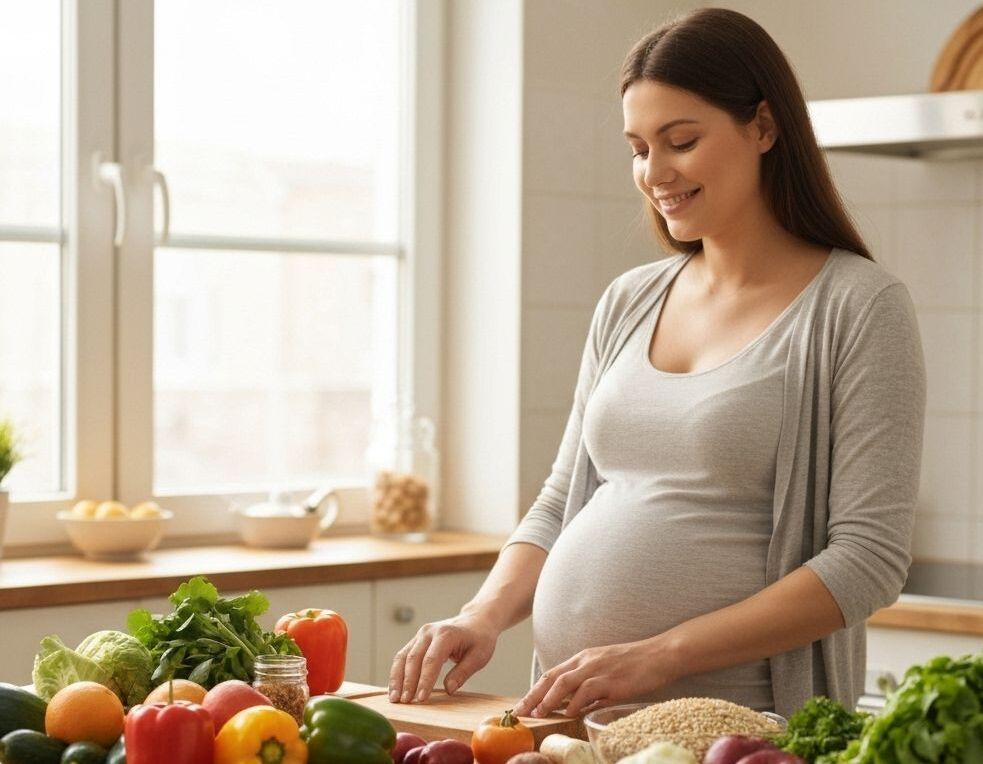
Pregnancy is a transformative journey—not just physically, but nutritionally. While the myth of "eating for two" has been debunked, the truth is that every bite matters. A well-balanced diet during pregnancy fuels the mother's body and lays the foundation for the baby's growth, brain development, and long-term health.
Pregnancy is not the time for restrictive diets or skipping meals. It's a time to nourish your body with intention and care. By choosing nutrient-rich foods, you're not just supporting your own health—you're shaping your baby's future.
Why Nutrition Matters More Than Ever
During pregnancy, the body undergoes remarkable changes:
- Increased metabolic efficiency helps absorb nutrients better.
- Energy demands rise, especially in the third trimester.
- Nutrient stores are built for both fetal development and breastfeeding.
The fetus receives all its nutrients via the placenta, making the mother's diet the sole source of nourishment.
Balanced Diet Tips
For the Mother:
- Include whole grains, fruits, vegetables, lean proteins, dairy, and healthy fats.
- Pair iron-rich foods with vitamin C to improve absorption.
Follow the Balance of Good Health model:
- Carbohydrates: Whole grains, rice, potatoes for energy, provide steady energy and prevent fatigue; essential for fetal brain fuel.
- Fruits & Vegetables: Rich in vitamins, minerals, and fiber.
- Proteins: Lean meats, fish, eggs, legumes for growth.
- Dairy: Calcium-rich options like milk, yogurt and cheese.
- Healthy Fats: Nuts, seeds, and oil-rich fish for brain development
Tip: Include vitamin C-rich foods with iron-rich meals to boost absorption.
For the Baby:
Nutrients directly impact brain, bone, blood, and immune system development.
Special Considerations for the Fetus
- Brain & Nervous System: DHA and AA (from omega-3s) are vital, especially in late pregnancy.
- Bone Development: Calcium and vitamin D work together to build a strong skeleton.
- Blood Formation: Iron is crucial for fetal red blood cell production.
- Immune System: Zinc and vitamin A help build resilience from the womb.
The placenta delivers everything the baby needs from the mother's diet.
Key Nutrients for Fetal Development
Here's a spotlight on the most critical nutrients for your baby's growth:
| Nutrient | Role in Fetal Development | Sources |
|---|---|---|
| Folic Acid | Prevents neural tube defects, supports cell division | Leafy greens, fortified cereals |
| Iron | Builds red blood cells, prevents anaemia | Red meat, lentils, spinach |
| Calcium | Develops bones and teeth | Dairy, tofu, almonds |
| Vitamin D | Enhances calcium absorption, supports skeletal growth | Sunlight, eggs, fortified milk |
| Omega-3 (DHA) | Builds brain and retina | Fatty fish (e.g. salmon), flax |
| Protein | Supports tissue growth and repair | Eggs, beans, lean meats |
| Vitamin A | Aids in organ formation and immune function | Carrots, sweet potatoes |
| Vitamin C | Boosts iron absorption, supports connective tissue | Citrus fruits, bell peppers |
| Zinc | Cell growth and immune system development | Nuts, whole grains, meat |
Essential Nutrients for Fetal Development
Why It Matters: Nutrition supports the mother's health and fuels the baby's growth, brain development and immunity.
- Thiamine (Vitamin B1): Supports energy metabolism and helps develop the baby's brain and nervous system.
- Riboflavin (Vitamin B2): Converts food into energy promotes healthy fetal skin, bones and muscle growth.
- Vitamin D: Enhances calcium absorption builds strong bones and teeth; supports immune health and reduces pregnancy complications.
- Magnesium: Prevents muscle cramps supports fetal bone and muscle development helps regulate blood pressure.
- Iodine: Crucial for thyroid hormone production supports fetal brain development and prevents cognitive delays.
- Selenium: Acts as an antioxidant protects fetal cells from damage and supports immune system development.
- Folic Acid: Prevents neural tube defects supports cell division and early brain development.
- Iron: Builds red blood cells; ensures oxygen delivery to the fetus and prevents maternal anaemia.
- Calcium: Strengthens fetal bones and teeth prevents maternal bone loss and supports heart function.
- Omega-3 Fatty Acids (DHA): Boosts fetal brain and eye development; supports cognitive function and visual acuity.
- Protein: Builds fetal tissues, muscles and organs; supports placenta and maternal tissue growth.
- Carbohydrates: Provide steady energy for both mother and baby, essential for fetal brain fuel and preventing maternal fatigue.
- Vitamin A: Aids in organ formation, vision development and immune system support.
- Vitamin C: Enhances iron absorption, strengthens connective tissue and supports immune health.
- Zinc: Supports cell growth, DNA synthesis and fetal immune system development.
Conclusion: Pregnancy is a time to nourish with love and intention. Each nutrient supports not just your body but your baby's growth, brain, and future wellbeing. A balanced mindful diet is a quiet act of care—one that builds strength, resilience and connection.
References
- New age International Publishers B Shri Lakshmi book - Dietetics
- (NIN) National Institute of Nutrition - Dietary Guidelines for Indians
Written by