The Plant-Based Diet
Pros, Cons, and Smart Ways to Thrive
Over the past decade, the plant-based diet has moved from niche circles of wellness enthusiasts to the mainstream. Whether it's health-conscious millennials, fitness experts, or celebrities, more people are embracing meals rich in vegetables, fruits, legumes, nuts, whole grains, and plant-based proteins. While the term "plant-based" doesn't necessarily mean eliminating all animal products, it emphasizes plants as the foundation of nutrition.
But with every popular lifestyle change, there are always questions: Is a plant-based diet truly healthy? Are there any downsides? And how can someone make this transition effectively without sacrificing flavor or nutrients? Let's dive deep into the pros, cons, and actionable tips to help you understand whether a plant-based diet is right for you.
What Exactly Is a Plant-Based Diet?
A plant-based diet prioritizes foods derived from plants — vegetables, fruits, grains, beans, nuts, and seeds — while either minimizing or completely avoiding animal products like meat, dairy, and eggs. Unlike strict veganism, plant-based eating doesn't always require 100% avoidance of animal-based foods. Instead, the focus is on making plants the star of your plate.
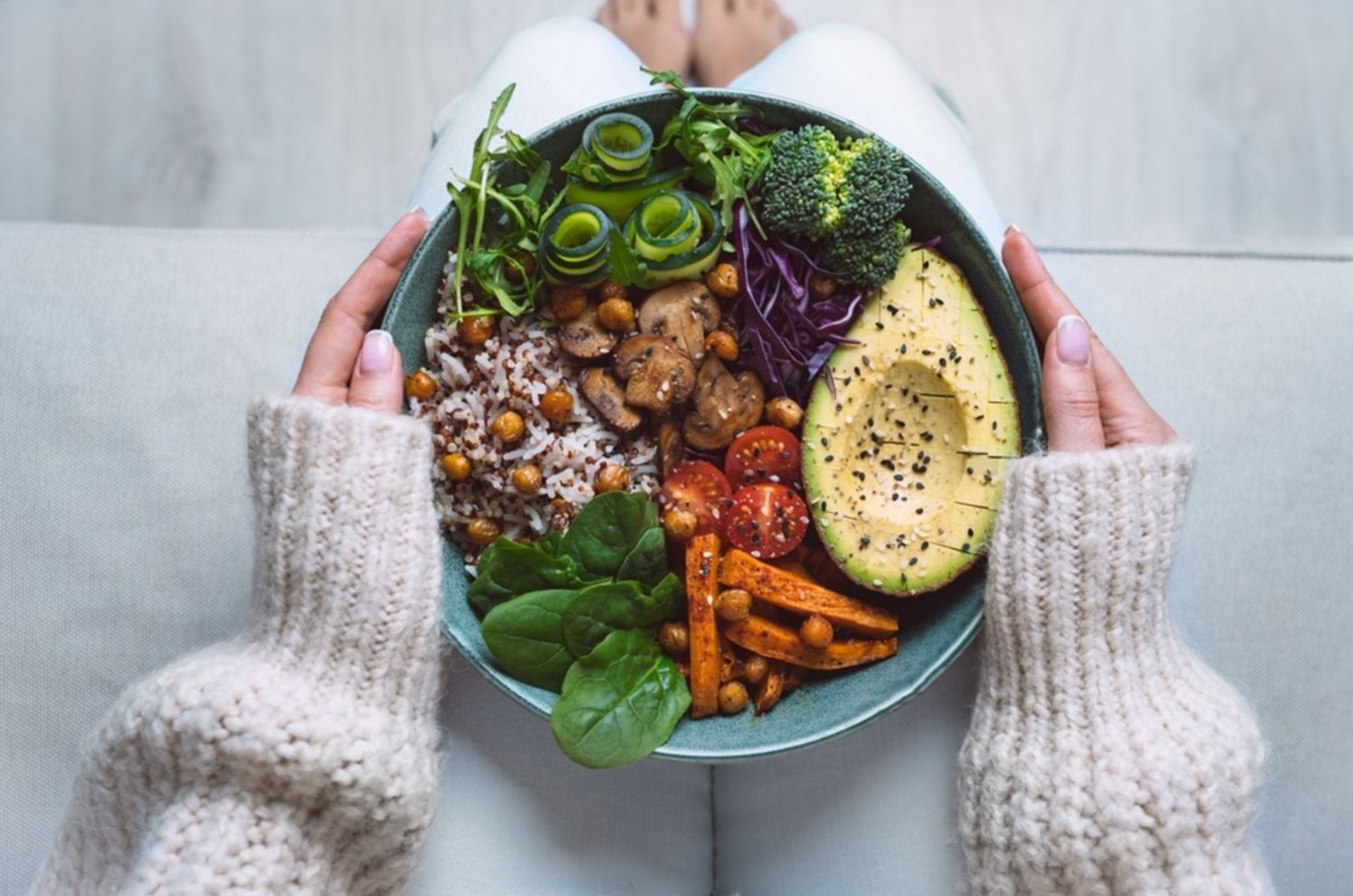
Think: a hearty lentil curry, a Buddha bowl of quinoa and roasted vegetables, or a smoothie made with spinach, banana, and almond butter. These are all examples of plant-forward meals that fuel the body with nutrients while reducing reliance on meat or processed food.
The Pros of a Plant-Based Diet
Switching to a plant-based lifestyle comes with many potential advantages. Here are some of the biggest benefits:
Better Heart Health
Plant-based diets are strongly linked with improved heart health. Foods high in fiber, antioxidants, and healthy fats (like from nuts, seeds, and avocados) can lower cholesterol, reduce blood pressure, and improve circulation. Studies show that people who prioritize plant-based eating have a lower risk of heart disease and stroke.
Weight Management
Plants are naturally lower in calories and high in fiber, meaning they keep you fuller for longer. That can help with sustainable weight loss or maintaining a healthy weight. Instead of strict calorie counting, focusing on whole-food plant-based meals can help regulate appetite naturally.
Lower Risk of Chronic Diseases
A well-planned plant-based diet may reduce the risk of type 2 diabetes, certain cancers, and metabolic issues. Compounds found in plants, such as phytonutrients, protect the body against inflammation and oxidative stress.
Improved Digestive Health
Fiber is a superstar for gut health. Since plant-based diets are fiber-rich, they help with smoother digestion, promote balanced gut bacteria, and prevent constipation. A healthy gut microbiome strengthens immunity and plays a role in mental health too.
Environmental Benefits
From a sustainability perspective, reducing meat and dairy consumption lowers carbon footprint, saves water, and decreases deforestation. By eating plant-centered meals, individuals contribute to a more eco-friendly food system.
The Cons of a Plant-Based Diet
Nutritional Deficiencies
A poorly planned plant-based diet may lead to lower intakes of essential nutrients such as vitamin B12, iron, calcium, vitamin D, and essential fatty acids (omega-3s). Vitamin B12 is not naturally found in plant foods, so supplementation or consumption of fortified products is necessary to prevent deficiency.
Protein Intake Concerns
Although plants provide protein, vegetarians and vegans must ensure varied sources such as legumes, nuts, seeds, and soy products like tofu or tempeh to meet daily protein needs. Without attention to diversity and quantity, protein intake might be insufficient for growth, repair, and maintaining muscle mass.
Bone Health Risks
Lower calcium and vitamin D intake from excluding dairy and animal products may affect bone mineralization, potentially increasing the risk of fractures if not addressed through fortified foods or supplements.
Social and Practical Challenges
Adapting to a plant-based diet can be difficult in social situations, dining out, or regions with limited plant-based options. Planning and knowledge are essential to avoid heavily processed vegan junk food, which can undermine health goals.
Over-Reliance on Processed Foods
Just because something is "plant-based" doesn't mean it's healthy. Many processed snacks, plant-based meats, and baked goods may be loaded with salt, sugar, and unhealthy fats. Falling into the "junk food vegan" trap can harm overall health.
Tips for Thriving on a Plant-Based Diet
The good news is that with a little planning and balance, you can enjoy all the benefits of a plant-based diet while minimizing its drawbacks. Here are practical tips:
Start Gradually
If new to plant-based eating, progressively incorporate vegetarian meals into your week. Begin with one meatless day and build from there.
Focus on Whole Foods
Prioritize whole, minimally processed plant foods—vegetables, fruits, legumes, whole grains, nuts, and seeds—over refined or processed options like mock meats or snacks.
Plan Balanced Meals
Combine protein-rich plants (beans, lentils, tofu) with whole grains (brown rice, quinoa) and plenty of colorful vegetables. Include healthy fats such as avocado, nuts, and olive oil to support nutrient absorption and satiety.
Use Fortified Foods and Supplements
Incorporate fortified plant milks, cereals, and nutritional yeast to meet vitamin B12 needs. Consider supplements for vitamin D, omega-3s (algal oil), calcium, and iron as advised by a healthcare provider.
Experiment with Recipes and Meal Kits
Trying new recipes or purchasing plant-based meal kits can introduce variety and make the transition enjoyable. Many grocery stores now offer convenient, ready-made plant-based meals.
Eat Plenty of Vegetables
Aim to fill half your plate with vegetables at meals and snack on raw veggies with dips like hummus or guacamole to increase fiber and nutrient intake.
Who Should Consider a Plant-Based Diet?
A plant-based lifestyle can benefit almost everyone, from young adults to older generations looking to prevent disease. However, certain groups — like pregnant women, athletes, and people with specific medical conditions — should plan carefully and possibly consult a dietitian to ensure nutrient adequacy. A plant-based diet offers countless health, ethical, and environmental benefits. It may improve heart health, help manage weight, reduce disease risk, and contribute to a greener planet. Still, it's important to acknowledge potential challenges like nutrient deficiencies, social barriers, and reliance on processed foods.
Remember, you don't need to go 100% plant-based overnight—small, consistent changes can create powerful results.
References
Written by